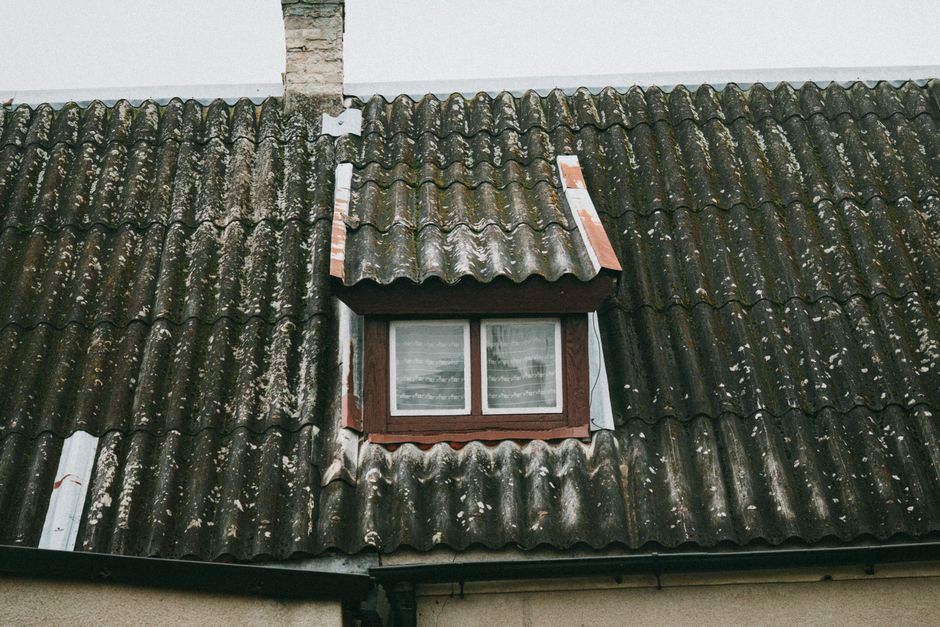
Asbestos and Deep Clean Safety for Kennington Rental Properties
If you manage or rent out a property in Kennington, asbestos and deep clean safety can feel like two completely different jobs that suddenly meet in the same hallway. One is about hidden building risk; the other is about getting a home properly refreshed, sanitised, and ready to live in. Put them together, and the stakes go up quickly.
In older London rental stock, that matters. A deep clean after a tenancy change, refurbishment, leak, or long vacancy can shake up dust, access awkward corners, and expose materials you may not want disturbed. This guide explains how asbestos awareness and deep cleaning work together, what landlords and tenants should watch for, and how to keep a Kennington rental property safe without turning a simple clean into a risky one.
We'll cover the practical side too: what to inspect, what to leave alone, when to pause cleaning, and how to choose the right kind of cleaning service for the job. Truth be told, the safest approach is often the calmest one.
Table of Contents
- Why Asbestos and Deep Clean Safety Matter
- How Asbestos and Deep Clean Safety Works
- Key Benefits and Practical Advantages
- Who This Is For and When It Makes Sense
- Step-by-Step Guidance
- Expert Tips for Better Results
- Common Mistakes to Avoid
- Tools, Resources and Recommendations
- Law, Compliance, Standards, or Best Practice
- Options, Methods, or Comparison Table
- Case Study or Real-World Example
- Practical Checklist
- Conclusion
- Frequently Asked Questions
Why Asbestos and Deep Clean Safety for Kennington Rental Properties Matters
Asbestos is not something you can judge by smell, colour, or how dusty a room looks. It may be hidden in older vinyl tiles, ceiling texture, pipe lagging, partition boards, soffits, and other building materials that were common in many UK properties. In rental homes, especially ones with a bit of age and a few refurbishments over the years, the uncertainty is the real issue.
A deep clean seems harmless enough. Usually it is. But once cleaning becomes more aggressive - scrubbing loose material, vacuuming damaged surfaces, moving storage, cleaning after water damage, or clearing out neglected rooms - the chance of disturbing asbestos-containing material goes up if the building has not been checked.
For landlords, letting agents, and tenants, this matters for three reasons. First, health: airborne fibres are the concern, not dusty-looking rooms. Second, property condition: a rushed clean can make a hidden issue worse. Third, responsibility: in a rental setting, nobody wants a simple turnover job to become a dispute, an insurance headache, or a delayed move-in. Kennington properties vary a lot, from converted flats to older terraced homes, so a one-size-fits-all approach just does not hold up.
Practical takeaway: if a property is older, altered, damaged, or due for a thorough deep clean after a vacancy or renovation, asbestos awareness should come before heavy cleaning starts.
How Asbestos and Deep Clean Safety for Kennington Rental Properties Works
The safest way to think about this is in layers. The first layer is identifying where asbestos may exist. The second is deciding whether the cleaning activity is low-risk or could disturb something fragile. The third is choosing the right method so the clean improves hygiene without increasing dust or damage.
In practice, deep clean safety usually means using controlled, low-disturbance methods around sensitive materials. That means damp wiping rather than dry brushing, careful HEPA-grade vacuuming where appropriate, and avoiding any action that cracks, drills, scrapes, sands, or strips suspicious surfaces. If there is damage, flaking, or uncertainty, pause the clean and assess the area properly.
This is also where professional judgement matters. A cleaner might be excellent at deep cleaning a rental kitchen or bathroom, but asbestos risk changes the rules. A competent team will recognise when a task is ordinary housekeeping and when it becomes a building safety issue. Not glamorous, perhaps, but very important.
For landlords preparing a property for re-letting, the best workflow is often:
- Check the property age, history of refurbishment, and any known asbestos records.
- Inspect for visible damage, deterioration, or dust build-up around suspect materials.
- Decide what can be cleaned safely and what should be left untouched.
- Use controlled cleaning methods that minimise dust and contact.
- Finish with a review so the property is ready for occupancy without avoidable risk.
When done well, the result is a property that looks, feels, and smells clean without putting people in harm's way. That last bit counts more than people think.
Key Benefits and Practical Advantages
The obvious benefit is safety. But there are several practical gains that are easy to overlook until something goes wrong.
- Reduced exposure risk: controlled cleaning helps avoid disturbing suspect materials.
- Better tenant confidence: tenants are more comfortable moving into a property that feels properly cared for.
- Fewer disputes: clear safety planning lowers the chance of arguments over damage or negligence.
- Cleaner turnaround: once the right areas are identified, the remaining deep clean can proceed more efficiently.
- Better long-term maintenance: if minor issues are spotted early, they are easier to manage before they become bigger problems.
There is also a subtler benefit: you avoid over-cleaning in the wrong places. That sounds odd, but it happens. A technician or cleaner can spend extra time on a brittle area, thinking they are being thorough, when the real job is to leave it alone and clean around it safely. In a rental property, restraint is sometimes the more professional choice.
If your wider end-of-tenancy plan also includes carpet or upholstery refreshes, it can help to line up the work with carefully chosen services such as end of tenancy cleaning, carpet cleaning, or window cleaning after any asbestos-sensitive areas have been assessed. That way the clean stays orderly, not chaotic.
Who This Is For and When It Makes Sense
This topic is most relevant for landlords, estate and letting agents, property managers, and tenants in older or previously altered rental properties. It also applies after builders' work, leak repairs, fire damage, mould-related stripping, or a long period of vacancy when dust and debris have built up.
You should think about asbestos and deep clean safety before starting work if any of the following are true:
- The property was built or significantly altered before the modern era of asbestos control.
- There are textured coatings, old floor tiles, boxed-in pipes, or ceiling panels you do not fully recognise.
- Some surfaces are crumbling, drilled, broken, damp, or recently disturbed.
- The property has just had renovation, repair, or partial strip-out work.
- You are arranging a thorough clean before a new tenancy begins.
It is especially sensible for move-in or move-out situations, where expectations are high and timings are tight. A tenant arriving with boxes, a van outside, and a key handover in twenty minutes does not want to hear, "We think there may be a material issue somewhere upstairs." Nobody does, to be fair.
For properties used as short lets or furnished rentals, the risk is a little different. There may be more frequent cleaning, more handling of soft furnishings, and more pressure to restore the place quickly. In those cases, services like move in cleaning, move out cleaning, or one off cleaning can be helpful, provided the safety check comes first.
Step-by-Step Guidance
If you want a sensible, low-drama process, this is the sequence that usually works best.
1. Start with a cautious property review
Look at the property history before any deep clean begins. Age, past repairs, old fixtures, and previous tenant reports can all matter. You are not trying to become an asbestos surveyor overnight. You are simply deciding whether there is enough risk to slow down and ask more questions.
2. Identify areas that should not be disturbed
Flag anything brittle, damaged, or unfamiliar. Common examples include old ceiling textures, dated panel boards, worn floor coverings, and boxed-in services. If a surface looks like it may crumble, do not scrape it. Leave it, label it, and move the clean elsewhere.
3. Separate routine cleaning from risk areas
Bathrooms, kitchens, skirting boards, appliances, glass, and accessible hard surfaces can often be cleaned normally if the area is safe. More sensitive parts of the property need a different plan. That may mean no abrasion, no aggressive vacuuming, and no close work until the material has been assessed.
4. Use controlled cleaning methods
For low-risk areas, choose methods that reduce airborne dust. Damp microfibre wiping, careful waste removal, and methodical room-by-room cleaning are better than dry sweeping or heavy agitation. The goal is tidy, not theatrical.
5. Handle soft furnishings carefully
Items like sofas, rugs, mattresses, and curtains can trap dust. If the surrounding building materials are safe, they can usually be cleaned as part of a broader refresh. If there is concern about contaminated dust or debris, pause and reassess rather than pushing ahead. A practical property clean may include sofa cleaning, mattress cleaning, or rug cleaning, but not when the surrounding structure is uncertain.
6. Finish with a visual safety check
Once the deep clean is complete, inspect the property again. Check that no dust has been spread into restricted areas, that waste has been removed properly, and that any identified issue remains undisturbed. This final look takes minutes, but it can save a great deal of trouble.
Expert Tips for Better Results
Experience tends to teach the same lesson in slightly different ways: slow down at the risky bit, speed up everywhere else.
- Keep dry dusting to a minimum in older properties until you know what materials are present.
- Work top to bottom so you do not recontaminate cleaned surfaces.
- Use clear room notes for any restricted area, especially if multiple people are involved in the clean.
- Do not move fittings or panels just to clean behind them if they look fragile or suspicious.
- Combine deep clean planning with tenancy handover timing so nobody is rushing on the day.
A small but useful habit is photographing problem areas before any cleaning begins. Not for drama. Just for clarity. If there is a dispute later, a time-stamped photo of a damaged ceiling corner or crumbling board is much better than trying to remember who said what after a busy Friday afternoon.
Another practical tip: if the property needs broader sanitation as well as a safe reset, consider whether a full domestic cleaning or house cleaning service is the right fit rather than asking someone to improvise. The cleaner should know what is routine, what is not, and when to stop.
Common Mistakes to Avoid
The biggest mistake is assuming a deep clean is always just a cleaning job. It isn't, not if the property contains damaged or uncertain materials.
- Dry sweeping dusty, old surfaces: this can spread debris instead of removing it.
- Scrubbing a deteriorating area: if something is fragile, friction is not your friend.
- Using the wrong vacuum approach: a normal vacuum is not a magic fix for every dusty surface.
- Ignoring small damage: a chipped board or flaking ceiling patch may be more significant than it looks.
- Cleaning before checking: once dust is moved around, it is harder to understand where it came from.
There is also a very human mistake: assuming "it's only a small flat" means the risk is small too. The size of the property has nothing to do with whether a material is hazardous. Tiny room, same issue. Annoying, but true.
For landlords preparing for a new tenant, another common problem is trying to combine building clearance, deep cleaning, and decoration all at once. That can work in some cases, but it often becomes messy. A better order is usually assess first, then clean, then decorate if needed, then final finish. A bit boring, perhaps. Also much safer.
Tools, Resources and Recommendations
You do not need a warehouse full of specialist gear to make sensible decisions here. What you do need is the right mindset and the right kinds of tools for low-disturbance cleaning.
Useful cleaning approaches and equipment may include:
- microfibre cloths for controlled wiping
- bucket and mop systems that do not fling dust around
- careful waste bags for routine rubbish removal
- protective gloves and sensible clothing for the cleaner
- clear room-by-room notes for restricted access
For broader property refreshes, some landlords also combine cleaning tasks in a single visit. For example, after a safe assessment, it may make sense to schedule oven cleaning, regular cleaning, or window cleaning alongside the main deep clean. That keeps the handover tidy and avoids multiple disruptions.
Helpful recommendation: ask any cleaning provider how they handle uncertain materials, dusty lofts, old ceiling finishes, and damaged surfaces. A good answer will sound careful rather than overconfident. If someone waves the concern away too quickly, that's your cue to pause.
Law, Compliance, Standards, or Best Practice
Because asbestos is a safety issue, the best approach is to follow recognised UK practice and stay within the limits of what routine cleaning should do. In rental properties, responsibility can sit with landlords, agents, contractors, or managing parties depending on the arrangement, but the core principle stays the same: do not disturb suspect material without proper assessment.
In plain English, best practice means:
- keeping records of known or suspected asbestos-containing materials where available
- using trained, careful decision-making before cleaning damaged or unfamiliar materials
- stopping work if the condition of a material changes during the clean
- making sure cleaners know what is and is not part of their job
- protecting occupants, contractors, and visitors from avoidable exposure
If the property has a history of refurbishment, fire damage, or major wear, it is wise to treat the issue as a property management matter first and a cleaning task second. That is not overcautious. That is just sensible.
For service providers, a visible commitment to safety matters too. Pages such as health and safety policy and insurance and safety can help reassure clients that risk is being handled seriously, not shrugged off in a rush to book the job.
Options, Methods, or Comparison Table
Not every property needs the same approach. Here's a simple comparison that helps separate the usual options.
| Approach | Best for | Safety profile | Notes |
|---|---|---|---|
| Routine cleaning | Normal, undamaged lived-in areas | Low, if materials are known and stable | Good for day-to-day upkeep and lighter tenancy refreshes |
| Deep cleaning with caution | Older rentals that need a thorough reset | Medium, depending on building condition | Works best when suspect areas are excluded or already assessed |
| Pause-and-assess approach | Damaged, unknown, or brittle materials | Highest control | Cleaning waits until the area is clarified |
| Post-builders cleaning | Homes after repair or refurbishment | Variable | Useful only when the site is safe to enter and materials are not being disturbed |
This is where a service like after builders cleaning can be useful, but only after the property has been checked and the cleaner knows which areas are safe to work on. If there is any doubt, the job should not begin as a standard clean. It should begin with a safety decision.
Case Study or Real-World Example
A landlord in Kennington has a two-bedroom flat in an older conversion. The previous tenant moved out, and the property needs a proper reset before a new tenancy starts. The kitchen and bathroom are straightforward enough, but there is an old textured ceiling in the hallway and some dated boxing around pipework in a storage cupboard. Nothing dramatic, just the kind of details people ignore until they cannot.
The first plan was a full deep clean in one day. Instead, the landlord paused the hallway and cupboard areas, asked for a cautious review, and had the cleaner focus on the safe rooms first. The team cleaned the kitchen, bathroom, skirting boards, internal glass, and living areas using low-disturbance methods. They avoided the suspicious surfaces, kept notes, and finished with a tidy, presentable flat.
The result was better than the rushed version would have been. The property was clean, the handover stayed on schedule, and the uncertain areas were not disturbed by mistake. A very ordinary ending, which is exactly what you want in this kind of situation.
It also meant the landlord could plan any next step properly, rather than dealing with a mess after the keys were handed over. Not exciting. Much better.
Practical Checklist
Use this checklist before starting asbestos-aware deep cleaning in a Kennington rental property.
- Confirm the property age and any known refurbishment history.
- Identify old, damaged, brittle, or unfamiliar materials.
- Stop any plan that involves scraping, sanding, drilling, or aggressive cleaning near suspect areas.
- Keep a separate list of areas that are safe to clean now.
- Use damp, controlled methods instead of dry disturbance where possible.
- Tell everyone involved which rooms or surfaces are restricted.
- Photograph questionable areas before work begins.
- Finish with a careful visual review after the clean.
- Book specialist help or further assessment if the condition is uncertain.
- Do not let time pressure override safety judgement.
If you tick those boxes, you are already ahead of many rushed rental turnarounds.
Get a free quote today and see how much you can save.
Conclusion
Asbestos and deep clean safety for Kennington rental properties comes down to one simple idea: clean what is safe, leave alone what is not, and never confuse speed with good practice. A rental property can still be spotless, welcoming, and fully turned over without taking unnecessary risks. In fact, that is the standard worth aiming for.
Whether you are preparing for a new tenancy, recovering from refurbishment, or just trying to get an older property back into shape, the best results come from careful assessment, sensible cleaning methods, and clear communication between everyone involved. A bit of caution now saves a lot of awkwardness later. And frankly, that's a relief.
For landlords and managers who want to keep things orderly, safe, and professionally handled, the right cleaning plan is the one that respects both the property and the people inside it. Simple enough, but not always easy. Still, it can be done.
Frequently Asked Questions
Is it safe to deep clean a rental property if asbestos might be present?
Only if you know which areas are safe to clean and you avoid disturbing anything suspicious. If there is damage, crumbling material, or uncertainty, pause the work and assess the risk first.
What should I do before booking a deep clean for an older Kennington property?
Check the property history, look for old or damaged materials, and note any areas that should not be touched. If the home has had previous renovations, that history is worth reviewing too.
Can a standard cleaner deal with asbestos-related concerns?
A standard cleaner can handle normal cleaning, but not asbestos disturbance. If suspect material is involved, the cleaner should know to stop and escalate rather than continue.
Does deep cleaning always increase asbestos risk?
No. A careful deep clean in a stable, known-safe property is routine. The risk rises when cleaning involves damaged, brittle, unknown, or recently disturbed materials.
What are the warning signs that cleaning should stop?
Flaking surfaces, loose dust from suspect areas, damaged boards, crumbling ceiling texture, or anything that looks like it could break apart easily are all reasons to stop and reassess.
Should I clean around a suspicious area or avoid the whole room?
You can often clean safe parts of the room while leaving the problem area untouched, but only if that can be done without spreading dust or touching restricted surfaces.
Is move-out cleaning different from deep cleaning in this context?
Move-out cleaning is usually more about turnover and presentation, while deep cleaning goes further into detail. If asbestos is a concern, both require the same cautious thinking before work begins.
What cleaning methods are usually safer near uncertain materials?
Controlled, low-disturbance methods such as damp wiping and careful vacuuming of safe areas are generally better than dry sweeping or abrasive cleaning.
Can carpets, sofas, or mattresses be cleaned if asbestos is suspected nearby?
Sometimes, yes, if the surrounding area is safe and not being disturbed. But if contaminated dust or unstable building material is involved, the situation needs review before soft furnishings are cleaned.
How do I keep tenants informed without causing alarm?
Be calm and factual. Explain which areas are safe, which ones are paused, and why the cleaner is avoiding certain surfaces. Clear communication helps more than dramatic language ever does.
Is this something I should sort before a tenant moves in?
Yes. It is far easier to deal with safety concerns before handover than after someone has already arrived with furniture, boxes, and plans for the evening.
What is the smartest next step if I am unsure?
Stop the high-risk cleaning work, document the area, and get the property reviewed properly before proceeding. A cautious pause is usually the cheapest and least stressful option.