Upholstery Cleaning in Your Area: A Practical, SEO-Friendly Approach to Fresher Furniture
When people search for upholstery cleaning in your area, they are usually looking for more than a quick surface wipe. They want softer, cleaner, longer-lasting furniture that looks good and feels comfortable every day. Whether it is a family sofa, office chair, recliner, dining chair, or sectional, upholstery cleaning can dramatically improve the appearance, hygiene, and lifespan of your furnishings. In busy homes and workplaces, fabric and leather surfaces absorb dust, spills, pet hair, body oils, allergens, and odors. Over time, that buildup changes how furniture looks and how it performs.
Professional upholstery cleaning is designed to remove embedded dirt while protecting the fabric structure, color, and texture. It is also one of the most effective ways to refresh a room without replacing expensive furniture. For anyone comparing options online, understanding how upholstery cleaning works, what methods are used, and what benefits to expect can make the decision much easier. If you want a cleaner living space, improved indoor air quality, and furniture that lasts longer, this service deserves attention.
In this article, we will explore the real value of upholstery cleaning, the most common cleaning methods, how to prepare furniture, what affects pricing, and how to keep your upholstery looking its best afterward. If your goal is a healthier home or a more polished business environment, the right upholstery cleaning service can make a meaningful difference.
Why Upholstery Cleaning Matters for Homes and Businesses

Upholstery takes daily wear and tear that floors and walls do not. People sit, lean, eat, work, and relax on it constantly, which means fabric fibers collect a surprising amount of dirt. Regular vacuuming helps, but it does not reach deep into the padding and weave where contaminants settle. That is why professional upholstery cleaning in your area is often the best way to restore freshness and hygiene.
In homes, upholstery can trap allergens such as dust mites, pet dander, pollen, and microscopic debris. In offices, furniture may collect germs, body oils, coffee stains, and general grime from daily use. Over time, these contaminants affect both appearance and comfort. Clean furniture simply feels better, smells better, and creates a more inviting environment for guests, customers, family members, and staff.
There is also a financial advantage. Replacing a sofa or a set of office chairs can be costly, while upholstery cleaning is usually far more affordable. When done properly, cleaning can extend the usable life of furniture and reduce the need for premature replacement. That makes it a smart maintenance choice, not just a cosmetic one.
Understanding Different Upholstery Materials

Not all furniture fabrics respond the same way to cleaning. That is one reason why professional upholstery cleaning is so valuable: the technician can identify the material and choose a suitable method. Common upholstery materials include cotton, polyester, microfiber, wool blends, velvet, linen, leather, and synthetic performance fabrics. Each has a different tolerance for moisture, heat, and cleaning agents.
For example, microfiber often responds well to low-moisture cleaning methods, while leather needs conditioning and specialized care to avoid dryness or cracking. Delicate fabrics like silk or velvet may require extra caution. If the wrong solution or technique is used, the result may be fading, shrinkage, water marks, or texture changes. This is why a one-size-fits-all approach is rarely ideal.
Before beginning any upholstery cleaning service, a trained cleaner typically inspects the manufacturer’s label. These fabric codes can indicate whether the material should be cleaned with water-based solutions, solvent-based solutions, or professional-only methods. Understanding the fabric type helps protect the furniture and ensures the best possible outcome.
Common Upholstery Cleaning Methods
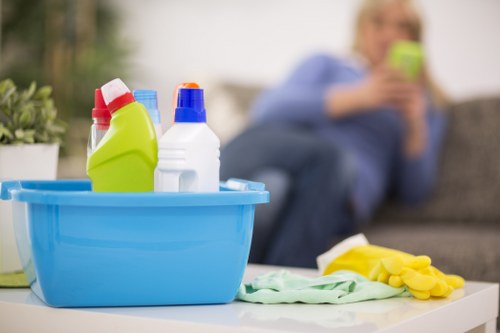
Different cleaning methods serve different purposes, and the best choice depends on fabric type, soil level, and staining. Here are the most common approaches used in upholstery cleaning in your area:
- Hot water extraction: Often used for durable synthetic fabrics, this method uses heated water and solution to loosen dirt, followed by extraction to remove contaminants.
- Dry cleaning: A low-moisture process that uses specialized solvents or compounds, ideal for delicate fabrics that cannot tolerate heavy saturation.
- Foam cleaning: A controlled method that lifts soil with foam and is then removed carefully, helping reduce over-wetting.
- Encapsulation cleaning: Common in commercial settings, this technique traps dirt in crystallized residue that can be vacuumed away.
- Leather cleaning and conditioning: Designed specifically for leather furniture, this process cleans surface grime and restores suppleness.
The right method depends on more than just the stain. Fabric age, colorfastness, and prior cleaning history can all influence results. A skilled upholstery cleaning professional will examine these details before recommending a method. That assessment is important because it reduces the risk of damage and improves overall effectiveness.
In some cases, spot treatment may be needed before the main cleaning begins. Stains from wine, ink, makeup, food, pet accidents, or grease often require targeted pre-treatment. The best results usually come from a balanced combination of inspection, pre-conditioning, careful cleaning, and proper drying.
Key Benefits of Professional Upholstery Cleaning
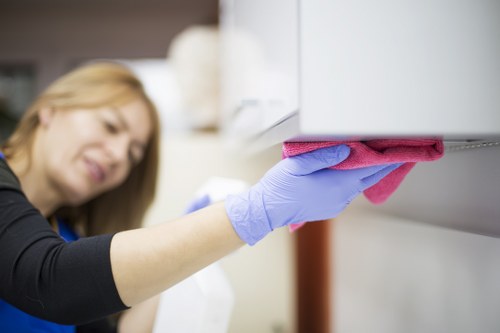
There are several reasons people invest in professional upholstery cleaning instead of handling it themselves. The most obvious benefit is appearance. Clean upholstery instantly makes a room look brighter, more orderly, and more polished. Even older furniture can look surprisingly refreshed after a thorough cleaning.
Another major benefit is improved indoor air quality. Fabric surfaces can act like filters, trapping dust and allergens. When these particles accumulate, they may get released back into the air every time someone sits down or moves the furniture. Regular upholstery cleaning helps reduce that buildup, making it especially useful for households with allergy-sensitive individuals or pets.
There is also a strong hygiene benefit. Sofas, chairs, ottomans, and other upholstered items often come into contact with sweat, skin oils, spills, and bacteria. Professional cleaning helps remove many of these contaminants. In workplaces, this can support a cleaner, more professional environment for employees and visitors. In homes, it can help create a healthier space for children and family members.
Additional Advantages to Consider
Upholstery cleaning in your area may also help with the following:
- Reducing lingering odors from smoke, pets, and food
- Helping fabrics maintain their color and texture
- Protecting the value of furniture over time
- Creating a more comfortable seating experience
- Minimizing allergens trapped in fabric layers
How Often Should Upholstery Be Cleaned?

The ideal cleaning schedule depends on how much the furniture is used. For many households, a professional upholstery cleaning every 12 to 24 months is a reasonable starting point. Homes with pets, children, or frequent guests may benefit from more frequent service. High-traffic office furniture may need attention even sooner.
Rather than waiting until furniture looks visibly dirty, it is often smarter to clean upholstery before grime becomes deeply embedded. Stains set more quickly than many people realize, and regular maintenance helps prevent buildup from becoming a long-term problem. If you notice dullness, odors, discoloration, or a rough texture, those are signs that it may be time to schedule service.
It is also wise to clean upholstery after specific events, such as a pet accident, a spill, a renovation project, or seasonal allergy peaks. Prompt attention can prevent permanent staining and reduce the effort needed for restoration. In other words, regular upholstery care is both reactive and preventive.
Signs Your Furniture Needs Professional Attention
Sometimes furniture looks fine at first glance, but hidden buildup tells a different story. A professional upholstery cleaning service may be needed if you notice any of the following:
- Persistent odors that return after airing out the room
- Visible stains that do not respond to basic spot cleaning
- Discoloration or fading in high-use areas
- A dull, flattened, or matted fabric appearance
- Increased sneezing or allergy irritation around furniture
- Pet hair and dander trapped in seams and cushions
- Sticky or greasy spots from spills and body oils
These signs do not always mean the furniture is ruined. In many cases, a careful upholstery cleaning in your area can restore much of the original look and freshness. Acting sooner rather than later usually improves the outcome.
What Happens During a Professional Upholstery Cleaning Appointment?
A typical upholstery cleaning appointment follows a few important steps. First, the cleaner inspects the furniture to identify the fabric type, problem areas, and any special concerns. This inspection helps determine the safest cleaning method and whether any pre-treatment is needed.
Next comes dry soil removal. Vacuuming is often used to remove loose dust, crumbs, pet hair, and debris from the surface and crevices. This step matters because it reduces the chance of pushing dry debris deeper into the fabric during cleaning. After that, the cleaner may apply a pre-spray or targeted stain treatment to loosen embedded soil.
The main cleaning process follows, using the selected method for the specific upholstery material. Once the cleaning solution has done its job, extraction or removal is performed. Finally, the furniture is left to dry, ideally in a well-ventilated area. Some services may also apply a fabric protector after cleaning to help resist future stains. If you want a cleaner and fresher upholstery cleaning result, proper drying and post-treatment matter just as much as the wash itself.
What You Can Do Before the Appointment
Preparing for upholstery cleaning is simple and can improve efficiency. Before the technician arrives, consider these steps:
- Remove small cushions, throws, and loose items
- Clear away fragile decorations or obstacles near furniture
- Point out any stains, pet accidents, or problem areas
- Share information about fabric labels if available
- Keep pets and children away from the area during the service
DIY Upholstery Cleaning vs. Professional Service
Many people try to clean upholstery themselves using store-bought products, a handheld machine, or household remedies. While light maintenance can be helpful, DIY methods have limits. The biggest risk is over-wetting, which may cause water marks, shrinkage, mold growth, or lingering odors. Another risk is using the wrong product, which can discolor fabric or leave residue behind.
Professional upholstery cleaning in your area offers advantages that are difficult to match with a home setup. Technicians usually have stronger extraction equipment, fabric-specific solutions, and the experience to handle stains without damaging the material. They can also work more efficiently on large furniture pieces or multiple items at once.
That does not mean simple at-home care is useless. Vacuuming, blotting spills quickly, and following fabric label instructions are all excellent habits. Think of DIY care as routine maintenance and professional upholstery cleaning as the deeper reset your furniture periodically needs.
How to Maintain Clean Upholstery After Service
Once you invest in upholstery cleaning, a few habits can help preserve the results. Clean furniture stays fresher longer when it is protected from repeated buildup. Here are some practical maintenance tips:
- Vacuum upholstery weekly using a soft brush attachment
- Blot spills immediately instead of rubbing them
- Rotate cushions regularly to promote even wear
- Keep food and drinks away from high-risk seating when possible
- Use throws or covers on heavily used areas
- Address pet hair quickly before it works into fibers
You can also consider a fabric protection treatment if it is appropriate for your upholstery material. This can help repel spills and make future cleanups easier. Good maintenance habits, combined with periodic upholstery cleaning, can significantly extend the life of your furniture.
What Affects Upholstery Cleaning Cost?
People often search for upholstery cleaning in your area while comparing value as much as price. Several factors can influence the cost of service. These include furniture size, fabric type, stain severity, level of soiling, number of items, and whether special treatment is needed for delicate materials or odors. Leather care, for example, may follow a different pricing structure than standard fabric cleaning.
The location of the property and the accessibility of the furniture may also affect pricing. Staircases, tight spaces, and multi-story buildings can require more time and effort. Some companies offer bundle pricing for multiple pieces, which can be useful if you want to clean sofas, chairs, and sectionals during the same visit. When comparing quotes, look beyond the lowest number and consider the quality of equipment, fabric knowledge, and overall service process.
A fair price usually reflects thorough inspection, proper cleaning technique, and careful handling. With upholstery, the cheapest option is not always the safest. Investing in quality can protect expensive furniture from avoidable damage.
Choosing the Right Upholstery Cleaning Service
Finding the right provider matters. Not every cleaner has the same level of experience with delicate fabrics, stains, or leather surfaces. Before booking upholstery cleaning in your area, it helps to evaluate a few important factors:
- Experience with different fabric types and furniture styles
- Use of safe, fabric-appropriate cleaning products
- Clear explanation of the cleaning method
- Availability of stain-specific or odor-specific treatment
- Positive reputation for professionalism and care
- Ability to inspect furniture before starting
It is also smart to ask whether the company performs a pre-test on a hidden area. This small step can reveal how the fabric responds to moisture or solution. A careful provider will not rush the process. Instead, they will focus on protecting your furniture while delivering visible improvement.
Questions Worth Asking Before Booking
If you want the best results from upholstery cleaning, consider asking these questions before service:
- What cleaning method do you recommend for my fabric?
- How long will the furniture take to dry?
- Do you treat odor, pet stains, or grease separately?
- Can you explain how to care for the upholstery after cleaning?
- Do you apply a protector after cleaning?
These questions help set expectations and reduce surprises. They also show whether the provider is knowledgeable, responsive, and committed to quality work.
Special Situations: Pets, Allergies, and Commercial Spaces
Some situations call for more frequent or specialized upholstery cleaning. Homes with pets often face fur, dander, paw prints, and accident-related stains. In these environments, regular cleaning is especially important because odors can settle into cushions and seams. A targeted upholstery cleaning service can remove odor-causing residues and restore a fresher atmosphere.
For allergy-prone households, reducing trapped dust and dander can make a noticeable difference in comfort. While upholstery cleaning is not a medical treatment, it can support a cleaner indoor environment and reduce airborne irritants. Combined with regular vacuuming and air filtration, it becomes part of a healthier home routine.
Commercial spaces also benefit greatly from professional upholstery cleaning. Waiting rooms, lobbies, conference rooms, and office seating all send a message about cleanliness and professionalism. Fresh, well-maintained furniture can improve customer impressions and support workplace pride. Upholstery cleaning in your area is therefore not only a household service but also a valuable business maintenance solution.
How Upholstery Cleaning Supports a Cleaner Overall Environment
It is easy to underestimate how much upholstered furniture affects an entire room. Sofas, chairs, and fabric-covered surfaces make up a large part of the visual and physical environment. When they are dirty, the whole room can feel stale. When they are fresh, the space feels brighter and more comfortable.
That is why upholstery cleaning works well alongside carpet care, rug cleaning, and routine dusting. Together, these services create a more polished and hygienic environment. The result is not just cleaner furniture, but a cleaner lifestyle. For many people, that added sense of freshness is the biggest reward.
So if you have been putting off service, now may be the right time to take action. Whether your need is cosmetic, hygienic, or preventive, upholstery cleaning can improve your space in ways that are immediately visible and long-lasting. Book your service now to help protect your furniture and enjoy a cleaner, more comfortable setting.
Final Thoughts on Upholstery Cleaning
Upholstered furniture is one of the most used and most overlooked parts of any home or business. Because it absorbs dirt, odors, and allergens gradually, it often needs more care than a quick vacuum can provide. Professional upholstery cleaning offers a practical solution that improves appearance, supports hygiene, and helps furniture last longer.
From fabric inspection to stain treatment, from moisture control to proper drying, each step plays a role in achieving a strong result. When you choose an experienced provider, you are not just cleaning furniture—you are preserving comfort, cleanliness, and value. If you have noticed stains, odors, or dull-looking seating, don’t wait for the problem to worsen.
Contact us today to learn more about upholstery cleaning options that fit your needs, or book your service now and give your furniture the fresh start it deserves.