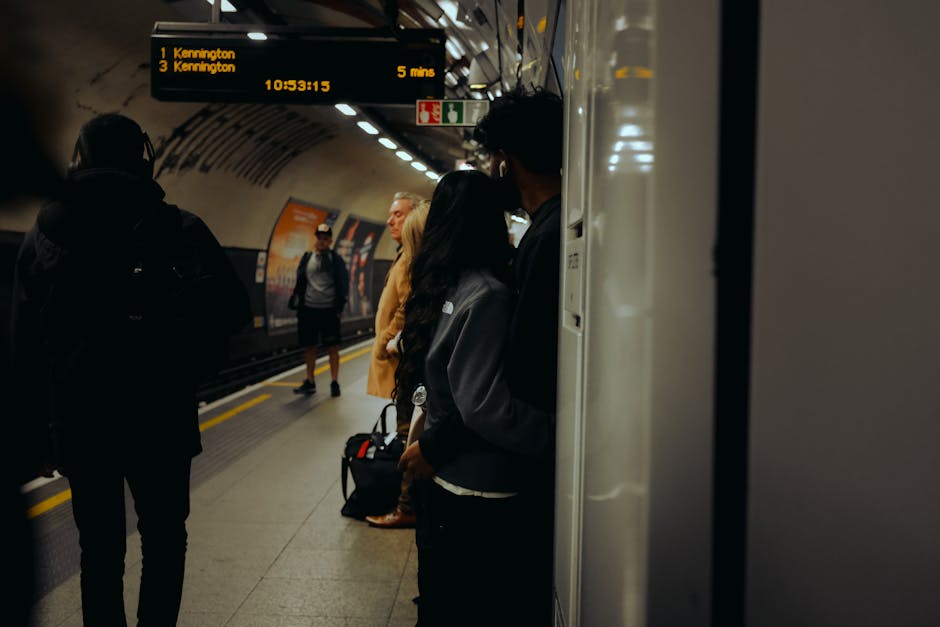
Common flat access problems for Kennington cleaners

If you live in a flat in Kennington, getting a cleaner in should be simple. In practice, it often isn't. Buzzers fail, keys get mixed up, parking is awkward, a lift is out of service, or a top-floor flat becomes a small logistics puzzle. Those are the common flat access problems for Kennington cleaners, and they can turn a straightforward visit into a delayed, rushed, or even cancelled appointment.
This guide breaks down what usually goes wrong, why it matters, and how to make access smoother without creating extra stress for you or the cleaning team. It also covers best practice for flats, shared entrances, key handling, and a few small fixes that make a big difference on the day. Truth be told, most access issues are preventable once you know where they tend to happen.
Why Common flat access problems for Kennington cleaners Matters
Flat access sounds like a tiny admin detail. It is not. It shapes how quickly a cleaner can start, whether they can carry equipment safely, how long the job takes, and whether they can actually complete everything you expect. If the cleaner spends ten minutes waiting at the gate and another five trying to get through a stubborn intercom, that time comes out of the clean itself.
In Kennington, flats often sit in converted buildings, mansion blocks, new-build developments, or estates with shared entrances and layered security. That means the route from street to front door can involve multiple steps: gate, buzzer, lobby, lift, corridor, flat door. One weak link is enough to slow the whole visit down. And when the cleaner arrives with a trolley, vacuum, microfibre kit, and maybe a few specialist products, even a small access snag becomes a proper nuisance.
It also matters for trust. A smoother arrival helps the cleaner protect your time, your neighbours' peace, and the overall quality of the service. For recurring bookings such as regular cleaning or a one-off deep clean, access problems can create avoidable friction every single visit. Nobody wants that. Not you, not the cleaner, not the person next door who is hearing the buzzer go off at 8:00 in the morning.
How Common flat access problems for Kennington cleaners Works
Most cleaning visits follow a simple pattern: the client provides access details, the cleaner arrives, gets inside, and starts work. The reality, though, depends on how your building is set up and how clearly the access method has been agreed.
Here is the typical flow in a flat:
- You confirm the booking and share access instructions.
- The cleaner travels to the property and arrives within the agreed window.
- They use the method provided: key, code, concierge, buzzer, or someone meeting them.
- They enter the building, find the flat, and begin the clean.
- If anything changes, such as a broken buzzer or locked lobby, they contact you to resolve it.
The trouble usually appears at step 3 or 4. A broken intercom, an unresponsive concierge, a missing key fob, or confusing flat numbering can stall the visit before the first room is touched. Sometimes the issue is simple but annoying: the flat is on the third floor and the lift is out, so carrying kit up stairs takes longer and may affect what can reasonably be done in the booked time. That's especially relevant for heavier jobs like carpet cleaning or oven cleaning, where equipment and timing matter more than people expect.
There is also the social side of access. In shared buildings, cleaners often have to be mindful of neighbours, security doors, and communal rules. A cleaner who knows the building in advance can move calmly and work efficiently. A cleaner who is left guessing? Less calm. Less efficient. Bit of a headache, honestly.
Key Benefits and Practical Advantages
Good access arrangements are not just about convenience. They improve the whole service experience in ways that are easy to underestimate.
- Less wasted time - the cleaner can start on the actual job instead of waiting at the entrance.
- Better results - more of the booked time goes into cleaning, not troubleshooting the building.
- Lower stress - fewer last-minute calls, fewer missed slots, fewer awkward delays.
- Safer working conditions - the cleaner can plan the right kit, route, and carry-in method.
- Better value for money - especially on time-based appointments or larger flat cleans.
- Stronger trust - clear access instructions signal that the booking has been properly prepared.
There is a practical benefit for end-of-tenancy and move-related jobs too. When access is smooth, a cleaner can focus on the details that matter for handover: skirting boards, kitchen grease, bathroom limescale, and the odd bit of dust hiding behind a radiator. For those situations, end of tenancy cleaning, move-in cleaning, and move-out cleaning all benefit from a proper access plan.
Expert summary: in flat-based cleaning, access is part of the service quality, not just admin. If the entry plan is vague, the clean often suffers before it begins.
Who This Is For and When It Makes Sense
This topic matters to almost anyone using a cleaner in a flat, but it is especially relevant if you are in one of these situations:
- You live in a block with a buzzer or fob system.
- Your flat is in a converted house with narrow stairs and shared hallways.
- You rent and need to coordinate with a landlord, letting agent, or concierge.
- You run short-term lets and need reliable turnarounds between guests.
- You book a cleaner for a shared property with inconsistent availability.
- You have building restrictions, parking limits, or controlled entry points.
It also makes sense if your service is more specialised. Jobs like after builders cleaning, window cleaning, sofa cleaning, or upholstery cleaning can involve extra kit and more setup time. A cleaner arriving at the wrong entrance or without the right access note can lose a chunk of the appointment before anything useful has happened.
If you manage a building, a block, or a small portfolio of flats, this becomes even more important. One messy access setup repeated across multiple visits can create a pattern of delays. And patterns are where small problems turn into regular headaches. Let's face it, nobody wants to keep solving the same buzzer issue every Thursday.
Step-by-Step Guidance
Below is a practical way to reduce access trouble before the cleaner arrives.
- Confirm the exact flat number and entrance. This sounds obvious, but mixed numbering, side entrances, and rear access routes are more common than you'd think.
- Check how the cleaner will get in. Will they use a key, a lockbox, a fob, a concierge, or a phone call on arrival?
- Test the buzzer or intercom in advance. If it has been temperamental lately, say so. Don't wait until the cleaner is outside in the rain.
- Think about parking and unloading. Even for flats, the walk from car to front door can be long. Tell the cleaner if there is permit parking, a loading bay, or no easy stopping point.
- Share building quirks. For example: "Use the side gate," "The lift is slow," "Flat 12 is on the second floor but the numbering skips," or "Ring twice, the first buzzer sometimes drops."
- Prepare keys or codes safely. If keys are handed over, make sure the handover is clear and agreed. If you use a code, check it is current.
- Keep a backup contact ready. If you are in a meeting or on the Tube, someone else may need to answer the phone if access fails.
If the job is a one-off cleaning visit or a new client booking, it is worth giving a little extra context. In our experience, the first appointment is often where the most confusion shows up, simply because everyone is still learning how the property works. Once a good routine is set, things get easier. Usually much easier.
One small but useful habit: write the access instructions as if you were explaining them to someone visiting for the first time on a wet Tuesday evening. That mental test tends to expose the gaps.
Expert Tips for Better Results
A few practical habits can prevent most flat access issues before they start.
- Use landmark-based directions. "Second building after the archway" is often more useful than a vague block name alone.
- Keep access instructions short and current. Long, messy notes are easy to misread. Short notes are better.
- Flag anything seasonal. Winter security doors, summer concierge hours, and holiday closures can all change access. A bit of context helps.
- Let the cleaner know about shared spaces. If the corridor is tight, the lift is small, or the hallway is being decorated, that affects equipment handling.
- Tell the cleaner about pets. Not because they cannot cope, but because a barking dog behind the door changes the opening routine.
- Make sure lighting works. Dim stairwells and dark entrances slow everybody down, especially if a clean starts early.
If you are booking recurring domestic help, consider whether domestic cleaning or house cleaning is the better fit for your property's access rhythm. Flats with simple recurring access tend to suit repeat visits very well. Flats with a changing entry process may still work fine, but they need clearer notes. Small difference. Big outcome.
Another tip: if the building has multiple residents using the same entrance, ask yourself, "Would I know exactly where to go if I arrived here for the first time?" If the answer is no, the instructions probably need another pass.
Common Mistakes to Avoid
Most access issues are not dramatic. They're just avoidable. That is the annoying part.
- Assuming the cleaner already knows the building. Unless they have visited before, do not rely on memory or guesswork.
- Forgetting to mention security layers. One door is easy. Three doors plus a callbox is a different story.
- Sending incomplete flat details. Missing building names, odd flat numbering, or unclear entrance descriptions can all cause delays.
- Not checking access on the day. A code that worked last month may no longer work today.
- Leaving keys in a place no one has agreed. This is where confusion and awkward phone calls begin.
- Underestimating shared-access timing. Concierge hours, lift waits, and gate systems all eat into the booking window.
There is also a mistake people make with specialist cleans. They book a service such as mattress cleaning, rug cleaning, or sofa cleaning and then forget to mention that the item is upstairs in a bedroom reached only by a narrow stairwell. That matters. A lot. The cleaner can often handle it, but they need to know in advance so they can plan safely.
Tools, Resources and Recommendations
You do not need fancy systems to manage flat access well. A few simple tools and habits are usually enough.
- Access note on your phone - keep a saved message with the exact building instructions.
- Photo reference - a quick photo of the entrance, buzzer panel, or side gate can be surprisingly useful.
- Shared household note - if several people live there, make one person responsible for access coordination.
- Key log or handover habit - simple, but it reduces confusion.
- Booking confirmation details - keep the agreed arrival window and contact number handy.
It also helps to use related service pages as a planning guide. If you are preparing a flat for guests or a tenancy changeover, compare the depth of service you need. A lighter refresh may suit regular cleaning, while a heavier reset may call for deep cleaning or after builders cleaning. The point is not to overspecify. It is to match the service to the access situation and the actual condition of the flat.
For customer-facing properties, especially rentals, you may also want to look at Airbnb cleaning. Fast turnovers and time-sensitive access arrangements need extra clarity. If one guest checks out late and the next cleaner arrives early, everyone feels that pressure. You can almost hear the clock ticking, which is never helpful.
Law, Compliance, Standards, or Best Practice
Flat access is not usually about a single law or one dramatic rulebook. It is more about responsible practice, clear communication, and basic duty of care. In the UK, cleaning providers are expected to work safely, protect people and property, and follow reasonable procedures for access, key handling, and hazard awareness. The exact arrangements depend on the building, the service, and the contract.
From a best-practice point of view, the main points are straightforward:
- Share access information accurately.
- Keep keys, fobs, and codes secure.
- Avoid unsafe manual handling.
- Do not ask cleaners to bypass building rules or security measures.
- Allow enough time for legitimate access steps.
It is sensible to check a provider's policies too. Pages such as health and safety policy, insurance and safety, and terms and conditions can help you understand how access issues, delays, or security expectations are handled. If privacy matters to you, especially in shared buildings, the privacy policy is worth a look as well.
There is one simple rule worth remembering: if access feels awkward, unsafe, or unclear, pause and clarify it rather than winging it. That goes for residents and cleaners alike. Better to spend two minutes sorting it out than twenty minutes trying to undo a messy arrival.
Options, Methods, or Comparison Table
Different flats need different access methods. Here is a simple comparison to help you decide what works best.
| Access method | Best for | Main advantage | Common downside |
|---|---|---|---|
| Handing over a key | Repeat bookings, quiet buildings, trusted arrangements | Very reliable once agreed | Needs secure handover and careful tracking |
| Key safe or lockbox | Regular access without meeting in person | Convenient for both sides | Code must stay current and secure |
| Intercom or buzzer entry | Buildings with staffed or remote entry | No physical key exchange needed | Systems fail, batteries die, people miss calls |
| Concierge or porter access | Managed blocks and larger developments | Clear for organised buildings | Dependent on staffing hours and procedures |
| Meet-and-let-in | One-off bookings, first-time visits, complex flats | Low confusion, good for new clients | Needs you or someone else to be present |
For many Kennington flats, a simple key handover or a reliable meet-and-let-in setup works best. For recurring visits, a lockbox can be practical if it is managed securely. If your building changes access codes often, you may be better off with a human handover rather than another code to remember. Quite honestly, fewer moving parts usually means fewer problems.
Case Study or Real-World Example
Picture a two-bedroom flat in a Victorian conversion near a busy Kennington street. The cleaner is booked for a mid-morning domestic visit. The client has left the keys with a neighbour before, but this time the neighbour is away and the building intercom has been unreliable for weeks.
On the first attempt, the cleaner arrives, rings the buzzer, and gets no answer. Five minutes pass. Then a call to the client reveals the wrong flat number was written down in the access note. The entrance is also not the front door the cleaner expected. Nothing dramatic, but the clean now starts late and feels rushed.
For the next visit, the setup changes. The client sends a short access message with the correct entrance, the exact flat number, and a backup contact. They also mention that the lift is slow and the building door sticks slightly after heavy rain. The cleaner arrives, gets in quickly, and the appointment starts smoothly. The difference is not magic. It is preparation.
That same logic applies across other services too. A flat needing communal area cleaning or commercial cleaning may have more formal entry rules, but the principle is identical: clarity beats assumption. Every time.
Practical Checklist
Use this quick checklist before your cleaner arrives.
- Flat number confirmed
- Building name and entrance clearly stated
- Access method agreed and tested
- Key, fob, code, or concierge arrangement ready
- Parking or unloading instructions shared
- Lift, stairs, or narrow access mentioned if relevant
- Pets or building restrictions flagged
- Backup contact available
- Any special items or rooms highlighted
- Arrival window checked the day before
Quick take: if you can explain how to get into your flat in under 20 seconds, you are probably in good shape. If not, it needs another edit.
Get a free quote today and see how much you can save.
Conclusion
Common flat access problems for Kennington cleaners are usually small on their own, but they add up quickly. A broken intercom, a missing code, a confusing entrance, or a lift that is out of order can derail a visit before the first room is touched. The good news is that most of these issues are easy to prevent with clear instructions and a little advance thinking.
If you get the access right, the whole clean becomes easier: less waiting, less stress, more time spent on the actual work, and a better experience for everyone involved. That is especially true in flats, where the difference between "fine" and "smooth" can be one neat message or one missing detail.
Take five minutes, sort the entry plan, and you will usually save yourself a lot of hassle later. Small job, big payoff. And that's rarely a bad trade.
Frequently Asked Questions
What are the most common flat access problems for cleaners?
The usual problems are broken intercoms, missing keys, wrong flat numbers, unclear entrance instructions, no parking nearby, and lift or stair access that is harder than expected. In shared buildings, concierge hours and security doors can also cause delays.
Should I stay home when the cleaner arrives at my flat?
Not always. If access is simple and agreed in advance, many visits work fine without you being there. But if it is the first booking, the building is tricky, or keys need to be handed over, being present can make the start much smoother.
Is a lockbox better than giving the cleaner a key?
It depends on your setup. A lockbox can be convenient for regular access, but only if the code is secure and updated when needed. A key handover can be simpler for some flats, especially if the same cleaner visits regularly. The best option is the one that stays reliable.
What should I tell a cleaner about my flat before the visit?
Share the exact entrance, flat number, access method, parking information, lift or stair details, and any building quirks. If there are pets, noisy doors, or concierge rules, mention those too. Short, clear instructions usually work best.
What happens if the cleaner cannot get into the building?
Usually they will try the agreed contact method and wait a reasonable time. If access still cannot be resolved, the visit may be delayed or rescheduled. The outcome depends on the provider's terms and the circumstances, so it is worth checking the booking details in advance.
Can access problems affect the quality of the clean?
Yes. If the cleaner starts late or loses time dealing with entry issues, less of the appointment is spent on cleaning. That can affect bigger jobs in particular, such as deep cleans, end of tenancy work, or specialist services that need more setup.
Do cleaners need special information for high-rise or top-floor flats?
Yes, usually they do. Top-floor flats, long stair runs, and unreliable lifts affect timing and equipment handling. It is best to mention these things so the cleaner can plan the visit safely and realistically.
How early should I send access instructions?
Ideally at booking, then again the day before if anything has changed. If the access route is unusual, send a short reminder on the morning of the visit. That extra step can save a lot of confusion, especially in busy London buildings.
What if my building buzzer is unreliable?
Say so before the appointment. It helps to offer a backup method, such as a key handover, a lockbox, or a phone call on arrival. A flaky buzzer is a classic flat issue, and cleaners can usually work around it if they know ahead of time.
Are access issues different for end of tenancy cleaning?
They can be. End of tenancy jobs often run to a tighter schedule and may involve more equipment or a fuller clean. That makes reliable access even more important, especially if the property must be ready for inspections, handovers, or new occupants.
Do I need to tell the cleaner about parking in Kennington?
Yes, if parking is limited, permit-based, or far from the entrance. Even a short walk with equipment can affect the visit. Clear parking notes are one of the simplest ways to avoid stress on the day.
What is the best way to avoid flat access problems altogether?
Give clear written instructions, confirm the access method, test codes or buzzers where possible, and keep a backup contact ready. Most problems come from missing details rather than serious obstacles, so prevention is usually very straightforward.