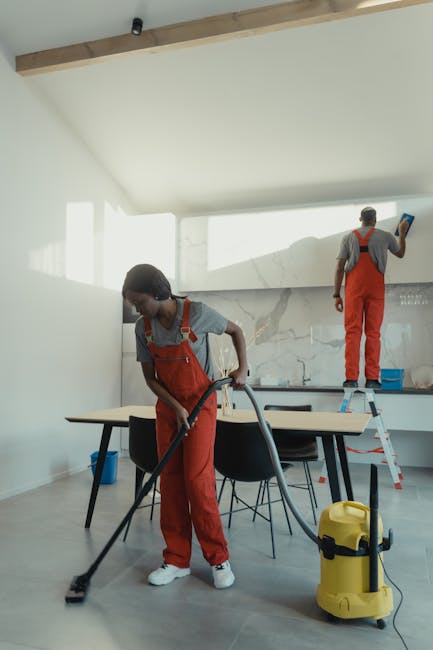
Why insured and DBS checked cleaners matter in Kennington
If you live or work in Kennington, choosing a cleaner is not just about getting the job done quickly. It is about trust, safety, and peace of mind. That is exactly why insured and DBS checked cleaners matter in Kennington: they help protect your home, your belongings, your tenants, and, in some cases, your customers or staff. In a busy part of London where flats, terraces, shared buildings, offices, and rental properties all sit side by side, the difference between a decent clean and a reliable, accountable service can be huge.
Truth be told, most people only think about insurance and DBS checks after something goes wrong. A spill on a wooden floor. A key gone missing. A cleaner working in a communal area where vulnerable residents live. These are the moments when the paperwork suddenly matters a lot. This guide breaks down what these checks mean, why they matter locally, how to assess a cleaner properly, and what practical standards you should expect before anyone steps through the door.
Table of Contents
- Why insured and DBS checked cleaners matter in Kennington matters
- How insured and DBS checked cleaners work
- Key benefits and practical advantages
- Who this is for and when it makes sense
- Step-by-step guidance
- Expert tips for better results
- Common mistakes to avoid
- Tools, resources and recommendations
- Law, compliance, standards, or best practice
- Options, methods, or comparison table
- Case study or real-world example
- Practical checklist
- Conclusion
- Frequently asked questions
Why insured and DBS checked cleaners matter in Kennington
Kennington has a mix of long-term homes, rented flats, converted Victorian properties, short-let lets, and local businesses. That variety is exactly why a one-size-fits-all approach to cleaning can fall short. A cleaner may do a fine job with dusting and sanitising, but if they are not insured or DBS checked where appropriate, you are taking on unnecessary risk. And in a property-heavy area like this, risk tends to show up in the everyday details, not the dramatic ones.
Insurance matters because accidents can happen even with careful people. A glass shelf gets knocked. Water leaks under a cabinet. A vacuum scuffs a fragile surface. If the cleaner or company has the right insurance, there is a clear route for handling damage or injury claims. Without it, you may be left chasing costs, time, and awkward conversations. Nobody wants that on a Friday afternoon, especially when the place is meant to be spotless before guests arrive.
DBS checking matters because it helps build confidence around who is entering your property. A DBS check is a criminal record check used in the UK to help employers and clients assess suitability for certain roles. It does not magically guarantee perfect behaviour, of course. Nothing does. But it is a meaningful part of the trust picture, especially for cleaners who enter family homes, care-sensitive households, schools, managed buildings, or properties where vulnerable people live or work.
In Kennington, this becomes even more relevant because many homes are not standalone houses with easy front-door access. There are shared hallways, concierge desks, side gates, key safes, and building rules. A cleaner often works out of sight. That makes vetting a serious matter, not a box-ticking exercise. Let's face it, when someone has access to your home or business while you are not there, you want more than a polished website and a vague promise that they are "trusted."
There is also the local practical side. If you are arranging cleaning for an estate flat, a letting turnaround, or an office near busy roads and shared access points, a professional who understands accountability can save a lot of hassle. The cleaner turns up prepared, knows how to work around access constraints, and can be relied upon to follow instructions. That sounds simple. It is not always simple in real life.
Expert summary: insured cleaners help protect you financially if something goes wrong, while DBS checked cleaners help strengthen trust where access, vulnerability, or confidentiality matter. In Kennington, where properties and needs are varied, both checks are part of sensible due diligence.
How insured and DBS checked cleaners work
The phrase sounds straightforward, but there is a practical process behind it. In simple terms, a responsible cleaning provider usually screens staff, verifies documents, arranges appropriate insurance, and sets internal procedures for safe, consistent work. The exact detail varies from company to company, but the principle is the same: reduce risk before the first clean, not after.
What insurance usually covers
Cleaning insurance typically includes public liability cover, and sometimes employers' liability if staff are employed. Public liability is the one most customers ask about. It is there to help if accidental damage or third-party injury occurs during the work. For example, if a cleaner accidentally damages a surface, or a visitor trips over equipment left in a corridor, proper insurance can make the difference between a manageable issue and a messy dispute.
That said, insurance is not a magic shield. It will usually depend on the policy wording, the circumstances, and whether the service followed sensible procedures. So if you are comparing providers, ask what the insurance actually covers. Do not be shy about it. Any reputable cleaner should expect the question.
What a DBS check tells you
A DBS check provides information about a person's criminal history record based on the level of check carried out and the role involved. For domestic cleaning, the most relevant point is trust rather than legal necessity in every single case. Some roles do not require a DBS check by law, but many clients still prefer one because cleaners may have access to homes, personal items, keys, or information that should stay private.
It is worth saying plainly: a DBS check is one part of a wider vetting picture. You still need references, clear communication, good systems, and common sense. A check alone does not make someone perfect, any more than a tidy uniform does. But it does help create a more responsible hiring standard.
How the process usually looks in practice
- The client explains the property type, access needs, and cleaning requirements.
- The cleaner or company confirms insurance details and any relevant checks.
- Terms are agreed, including what is included, what is excluded, and how issues are reported.
- The cleaner arrives with the right kit and instructions.
- Any incidents, keys, or access points are logged sensibly.
- If needed, the company handles feedback, claims, or follow-up cleaning professionally.
This is the part many people skip. They focus on the price and only later discover there was no proper process for reporting an issue. That is a headache waiting to happen.
Key benefits and practical advantages
People often think insurance and DBS checks are just about formalities. In reality, they affect the whole service experience. A vetted cleaner is usually part of a better-run operation, and that shows up in the little things as much as the big ones.
- Lower risk of financial loss: if accidental damage happens, insurance may help prevent a straightforward job from turning into a costly argument.
- Greater peace of mind: you do not need to wonder who is entering your property or how incidents will be handled.
- Better for vulnerable households: families with children, elderly residents, or people receiving care often want a stronger trust baseline.
- More professional conduct: vetted cleaners often work to clearer standards and are more likely to follow instructions carefully.
- Useful for landlords and agents: when keys, turnover deadlines, and tenant expectations are involved, accountability matters a lot.
- Stronger business confidence: offices and commercial spaces benefit from knowing the contractor has safety systems and insurance in place.
There is a quieter benefit too: less mental load. Once you trust the cleaner, you stop checking every little thing. You can go to work, pick up the kids, or simply make tea and hear the vacuum in the next room without that nagging little "what if" in the back of your mind.
Who this is for and when it makes sense
Not every job needs the same level of scrutiny, but many do. If you are deciding whether to insist on insurance and DBS checks, ask yourself who is using the space, how often the cleaner will be there, and what access they will have. That usually tells you quite a lot.
It makes especially good sense for:
- Families with children, especially where the cleaner works while adults are out.
- Elderly households, where kindness, trust, and consistency matter just as much as cleaning quality.
- Landlords and letting agents, particularly for keys, tenancy changeovers, and end-of-tenancy cleans.
- Businesses and offices, where staff, visitors, and equipment need to be protected.
- Communal buildings, where cleaners may work in shared hallways, entrances, or bin stores.
- Short-let hosts, where timings are tight and the property may be left unattended between stays.
For a one-off tidy-up, you may still want insurance, even if a DBS check feels less essential. For regular access, it becomes much more important. And if children, vulnerable adults, or confidential materials are involved, the expectation rises again. Common sense really is the best guide here.
When it may be less central, but still worth asking about
If the cleaner is only working while you are present, in a small space, and with no access to private rooms or keys, the DBS angle may matter less. But insurance remains relevant. A ladder slips. A bottle tips over. A carpet stain gets worse before it gets better. These things happen in real homes, not just in examples on a website. So even where the risk seems low, it is still sensible to check.
Step-by-step guidance
If you are hiring a cleaner in Kennington and want to make the right call, do it in order. Fast decisions are fine. Blind decisions, not so much.
- Define the job clearly. List the rooms, surfaces, priorities, and any special concerns such as pets, allergies, or fragile finishes.
- Ask about insurance first. Request confirmation of public liability cover and ask what it includes. A confident provider will not waffle.
- Ask whether DBS checks are available or relevant. For homes with vulnerable people, keys, or unsupervised access, this is especially useful.
- Check references and reviews carefully. Look for comments about reliability, communication, and problem-solving, not just "great job" and five stars.
- Clarify access arrangements. Key collection, entry codes, concierge rules, parking, and building instructions all need to be agreed in advance.
- Confirm what happens if something goes wrong. Ask how damage, breakages, lateness, or missed tasks are handled.
- Keep expectations practical. Good cleaners are not miracle workers. They should, however, be consistent, careful, and honest about what can be achieved.
One simple tip: write down your expectations before the first visit. A message that says "focus on bathroom limescale, skirting boards, and kitchen cupboard fronts" is far better than vague optimism. It saves time on both sides. Funny how often the obvious bit is the bit people forget.
Expert tips for better results
There are a few things that separate a smooth cleaning experience from a slightly chaotic one. None of them are dramatic, but they matter.
1. Verify the details, not just the headline
Do not stop at "we are insured" or "our staff are DBS checked." Ask which cover applies, whether it is current, and whether the check is appropriate for the role. A little scepticism here is healthy. Not rude. Just sensible.
2. Match the cleaner to the property type
A cleaner who is excellent at family homes may not be the best fit for a communal block or a rental turnover with tight deadlines. Likewise, commercial cleaning often needs different procedures from domestic cleaning. Matching the service type to the property saves a lot of friction later.
3. Start with a clear first clean
If you are unsure, begin with a one-off or deep clean before moving to a regular arrangement. That gives you a chance to assess punctuality, attention to detail, and how well they follow instructions. You will know very quickly whether the relationship will work.
4. Be honest about the condition of the property
If a place needs more than light cleaning, say so. Stubborn oven grease, pet hair on upholstery, or post-build dust all need proper planning. Insured, professional cleaners can prepare for this better when they know the truth from the start.
5. Keep communication short and clear
Most cleaning problems come from guesswork. A concise message about priorities, access, and timing beats a long vague conversation that no one remembers properly later. Simple wins here.
Common mistakes to avoid
People often make the same errors when choosing cleaning help in Kennington. The good news is they are easy to avoid once you know what to look for.
- Choosing only on price. The cheapest option can become expensive if there is damage, poor reliability, or no clear complaint process.
- Assuming all cleaners are insured. Do not assume. Ask.
- Thinking a DBS check is automatic. It may not be. Confirm it if it matters for your situation.
- Not checking what the service actually includes. "Bathroom clean" can mean very different things to different providers.
- Leaving access details until the day of the clean. This causes delays, missed appointments, and unnecessary stress.
- Ignoring communication style. If a cleaner is hard to reach before the first visit, that pattern may continue.
A common one in flats around Kennington, to be fair, is assuming the cleaner can just "figure out" building access on the day. That rarely works out neatly. Hallway codes, buzzer systems, and resident rules are not the kind of thing you improvise at 8 a.m. while someone waits outside with a Hoover.
Tools, resources and recommendations
You do not need fancy software to choose a cleaner well. What you do need is a small set of practical tools and habits that help you compare services properly.
- A written job checklist: rooms, tasks, surfaces, and any no-go areas.
- A simple quote comparison sheet: compare inclusions, exclusions, frequency, and insurance confirmation.
- Photo notes before and after: useful for move-in, move-out, and deep-clean jobs, especially in rentals.
- Access notes: building instructions, key handling, parking, and entry restrictions.
- Complaint and follow-up record: if something goes wrong, keep it in writing.
If you are comparing services in the area, it also helps to read about broader standards on pages such as insurance and safety and health and safety policy. For service comparisons, a quick look at pricing and quotes can help you see how a provider structures its offer without getting drawn in by a cheap headline price. The details matter more than the headline, every time.
If you are booking a clean for a home, office, or rental, it can also help to understand the company background through its about us page or to browse the wider blog for local tips and practical guidance. That is often where you spot whether a business actually understands the area or just says it does.
Law, compliance, standards, or best practice
Not every cleaning job is heavily regulated in the way that, say, childcare or healthcare work is. Even so, good practice still matters. In the UK, businesses are expected to work safely, handle client property responsibly, and respect privacy and access arrangements. If staff are employed, employment-related obligations may also apply. If clients are provided with a service contract, the wording should be clear and fair.
For domestic and commercial cleaning alike, it is sensible to expect:
- appropriate insurance cover in place and kept current;
- clear communication about what the service includes;
- safe use of equipment and products;
- respect for client property, keys, and private information;
- compliance with any building rules, site rules, or access rules;
- honest complaint handling and remedy procedures.
Where vulnerable people are present, the standard of care should rise accordingly. A DBS check can be part of that standard, particularly when unsupervised access is involved. The point is not to make a fuss for its own sake. It is to make sure the service is proportionate to the risk. That is the sensible middle ground, and usually the right one.
If you are a landlord, managing agent, or business owner, you may also want written terms that spell out responsibility for access, damage, cancellations, and special requests. A proper agreement saves awkwardness later. It really does.
Options, methods, or comparison table
Not every cleaner or cleaning arrangement is the same. Here is a practical comparison to help you think through what works best for your situation.
| Option | Best for | Strengths | Watch-outs |
|---|---|---|---|
| Independent cleaner with insurance | Routine domestic jobs, flexible bookings | Personal service, often flexible, direct communication | Check insurance level, backup arrangements, and references |
| Cleaner with insurance and DBS check | Homes with vulnerable residents, key access, regular visits | Stronger trust signals, better suitability for unsupervised access | Confirm the DBS relevance and current cover |
| Cleaning company with team vetting | Offices, landlords, larger or recurring jobs | Structured systems, cover, scheduling support, oversight | Make sure the actual operatives are covered, not just the company name |
| Price-only option | Very limited or low-risk jobs | Cheap upfront | Often weaker accountability, less reassurance, higher hidden risk |
For many Kennington households, the sweet spot is a cleaner or company that combines sensible insurance with relevant background checks and a clear service process. Not fancy. Just reliable. That is usually what people want after the first hour of living with dust, fingerprints, and a slightly suspicious bathroom grout line.
Case study or real-world example
Here is a realistic example based on the kind of situation people often face locally. A couple in a Kennington flat needed a regular cleaner after a new baby arrived. They were both working, the building had a buzzer system, and the cleaner would sometimes arrive when one of them was out. The flat also had a few awkward details: a narrow hallway, a wooden dining table, and a cupboard with baby items that should not be mixed up with general cleaning supplies.
They could have gone with the cheapest option. Instead, they asked for proof of insurance, checked whether staff had appropriate background screening, and agreed a short written list of priorities. Bathroom, kitchen, floors, high-touch areas. Nothing dramatic.
The result was fairly boring, in the best possible way. The cleaner arrived on time, knew the access arrangement, worked carefully around the furniture, and there was no uncertainty if a breakage or issue came up. The family did not need to chase, guess, or stand in the hallway wondering what was happening. That calm feeling is worth more than people admit.
And yes, the bathroom looked a lot better too. Which, in a new-parent household, is practically a luxury service.
Practical checklist
Use this before you book a cleaner in Kennington. It keeps the decision grounded and avoids rushed choices.
- Have I clearly defined the rooms and tasks needed?
- Has the cleaner or company confirmed current insurance?
- Is a DBS check relevant for my situation?
- Do I know who will actually attend the property?
- Have I explained access details, keys, parking, and entry codes?
- Have I asked what is included and excluded?
- Do I know how damage, lateness, or complaints are handled?
- Have I checked references, reviews, or local experience?
- Do I have a written quote or agreement?
- Am I confident the service suits the property type and risk level?
If you can tick most of those boxes, you are already ahead of many people who book on instinct alone. Small effort now, fewer headaches later. Simple as that.
Conclusion
Why insured and DBS checked cleaners matter in Kennington comes down to trust, protection, and peace of mind. Insurance helps protect you if something is accidentally damaged or someone is injured. DBS checks help build confidence where access, privacy, and vulnerability are part of the job. Together, they turn a basic cleaning arrangement into a more reliable and professional service.
In a neighbourhood with shared buildings, busy schedules, rental turnover, family homes, and local businesses all overlapping, those safeguards are not overkill. They are practical. They help you choose with your head, not just your hopes. And once you find the right cleaner, the whole experience feels lighter, steadier, and a bit less stressful. That is the real value.
Get a free quote today and see how much you can save.
Choose carefully, ask the right questions, and you will end up with a service that feels safe, smooth, and genuinely worth having around.
Frequently Asked Questions
What does it mean if a cleaner is insured?
It means the cleaner or cleaning company has insurance in place to help cover certain accidents, damage, or liability issues. The exact cover depends on the policy, so it is always worth asking what is included.
Why is a DBS check useful for cleaners in Kennington?
A DBS check helps provide reassurance about a cleaner's background, which is especially useful when they may have unsupervised access to homes, keys, vulnerable residents, or private spaces.
Do all cleaners legally need to be DBS checked?
No, not all cleaning roles require a DBS check by law. But many clients still prefer one because it improves trust and is sensible for certain properties or situations.
Is insurance more important than a DBS check?
They do different jobs. Insurance protects against certain risks and costs, while a DBS check supports trust and vetting. In many cases, both matter, and one does not replace the other.
What should I ask before hiring a cleaner in Kennington?
Ask about insurance, experience, what the service includes, how access is handled, whether background checks are relevant, and what happens if there is a problem. Those questions tell you a lot very quickly.
Can I trust a cleaner just because they have good reviews?
Good reviews help, but they are only part of the picture. Insurance, screening, communication, and clear terms matter too. Reviews alone are not enough if the cleaner will have access to your property.
What is the difference between a domestic cleaner and a commercial cleaner?
Domestic cleaners usually work in private homes, while commercial cleaners handle offices, shops, or shared business spaces. The systems, risk level, and expectations can be different, especially around access and insurance.
Should landlords in Kennington insist on insured and DBS checked cleaners?
That is often a very sensible approach, especially for key handling, tenant turnover, and access to occupied or recently vacated properties. It helps reduce risk and keeps things more professional.
What happens if a cleaner damages something?
If the cleaner is insured, you should report the issue promptly and follow the company's claims or complaints process. If they are not insured, resolution may be more difficult and may depend on direct negotiation.
How can I tell if a cleaner's insurance is current?
Ask for confirmation from the provider and check that the cover is up to date. A genuine professional should be able to answer this clearly without fuss or evasiveness.
Is a DBS check enough to guarantee safety?
No. A DBS check is helpful, but it is only one part of responsible vetting. You still need proper insurance, clear terms, sensible access arrangements, and good communication.
What is the safest way to choose a cleaner for a family home?
Choose someone with relevant insurance, clear references, good communication, and a DBS check if the role involves unsupervised access or vulnerable household members. Start with a one-off clean if you want to test the fit first.